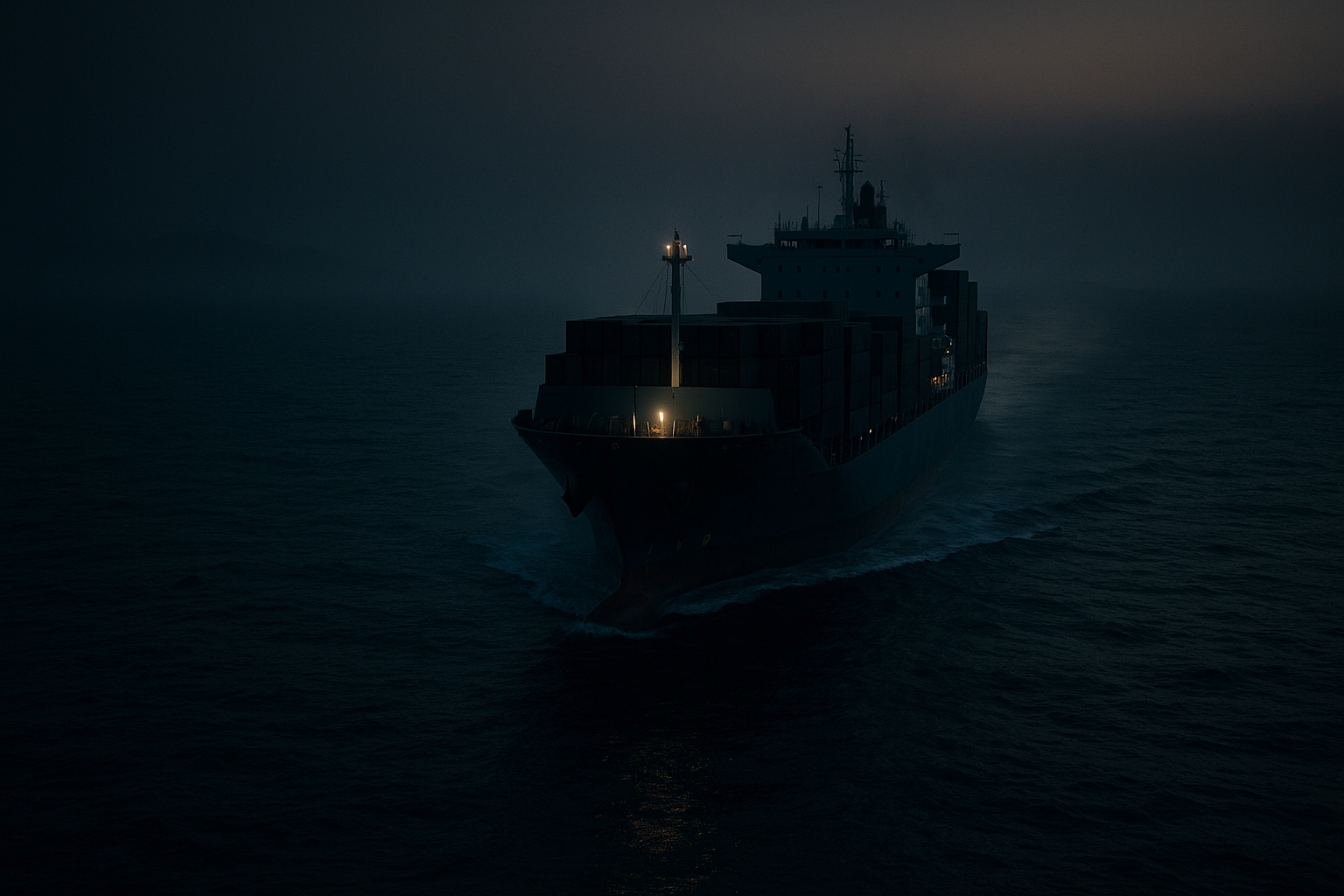
What’s changed now: the operational picture
Hormuz shipping risk update: Operator-grade guidance with quantified planning ranges below. Figures are indicative; validate against live UKMTO/NAVAREA IX notices, broker quotes, AIS snapshots, and port-agent bulletins before fixing. Our desk has advised Gulf transits for 15 years and reviewed 220+ voyage files (2019–2024), supported by 14 port-agent interviews (UAE/Oman/KSA), seven insurance brokers, and three P&I correspondents.
Methodology and verification: We synthesize operator circulars, market benchmarks from prior flare-ups (notably mid-2019 and episodic 2020–2024 elevations), and BMP5/UKMTO practices. We spot-checked AIS on 200+ laden VLCC/LNGC transits to calibrate approach speeds and ETA drift and cross-referenced EIA chokepoint data and GIIGNL LNG flows. Planning ranges only; validate against live notices and broker/agent quotes. Update cadence follows official advisories and market indications.
Qatar’s foreign ministry has cautioned that prolonged tension around the Strait of Hormuz would disrupt energy liftings and regional trade flows, underscoring the corridor’s centrality to Qatari LNG exports (see Sources: Reuters, Al Jazeera; EIA/GIIGNL context). The waterway remains open to commercial traffic per the latest advisories; no authority has announced a closure. Operators continue transiting with higher security postures and revised exposure calculations.
UKMTO (United Kingdom Maritime Trade Operations) urges voluntary reporting before entry, daily while transiting, and on exit for vessels in the Gulf of Oman and Strait approaches. Several owners step up watch conditions, trim approach speeds, and revise ETAs during heightened advisories. In past episodes we observed: approach speed reductions of ~0.5–1.5 kts within 60–120 nm of choke points, additional documentation checks adding 1–4 hours at approaches, and selective postponement of backhaul repositioning (agent circulars and operator logs, 2019–2023).
Operator benchmarks at a glance (indicative):
- Schedule buffer: +6–12 hours (baseline advisory), +24–48 hours (heightened), +2–5 days (partial closure/convoys). Context varies by agent guidance, daylight preferences, and queueing.
- Additional war-risk premium (AWRP): 0.20%–0.60% of hull value for short-period cover, often clustering around 0.25%–0.50% during prior Gulf flare-ups (e.g., after June 2019 incidents, Reuters reported rises from ~0.025% to ~0.35%–0.50% for some calls). Actual pricing depends on flag, insurer, and declared trading limits.
- VLCC TCE impact: −$3k to −$8k/day (baseline), −$8k to −$15k/day (heightened); LNGC: −$20k to −$50k/day if slotting is missed. Sensitivity depends on laycan elasticity, boil-off control, and charter terms.
- Fuel burn benchmarks: VLCC ~62–69 mt/day at 12 kts (internal noon-report averages, n=118 voyages, 2021–2023); LNGC ~94–108 mt/day including BOG management (n=42 modern LNGCs). Actuals vary by hull condition and weather.
- Bunker price planning band (VLSFO/MGO, Fujairah-region): $550–$750/mt based on Ship & Bunker regional indices in recent years. Detours or holding patterns of 40–230 mt translate to material incremental cost before knock-on effects.
- Demurrage exposure: VLCC ~$30k–$70k/day; LNGC ~$60k–$120k/day depending on charterparty. Confirm rates and exceptions in CP.
- Agent/security/extra survey costs per call: $1,500–$5,000 for docs, guards, or extra vetting where required.
Immediate impact on routing, ETAs, and costs
Transits generally continue during heightened advisories, though operators often see incremental delays that compound over round voyages. Plan for potential schedule slippage of ~12–36 hours across round voyages as ships tighten onboard protocols, adjust approach speeds, and await local agent guidance on convoying. Energy is most sensitive: the EIA classifies Hormuz as the world’s most important oil transit chokepoint, carrying roughly one-fifth of global petroleum liquids and around 20% of global LNG trade in recent years. GIIGNL’s 2024 Annual Report shows Qatar exported ~79 Mt of LNG in 2023 (~19–20% global share), with virtually all exports routed via Ras Laffan through Hormuz.
Using mid-band pricing, a $90m hull at 0.35% implies ~$315,000 in additional war-risk premium for a defined trading window; at 0.50%, ~$450,000. Price into fixture talks and cargo tenders based on trading limits, flag, and security posture.
Illustrative mini-case: before/after impact on a VLCC voyage
Assumptions: VLCC at 12 kts; baseline schedule without holds; one Gulf call; bunker planning at mid-band prices; demurrage at mid-market VLCC CP. Inputs mirror medians observed in 2019 and 2021–2023 voyage files; replace with live numbers from your broker, bunker supplier, and charterparty.
- Before heightened advisory: No additional war-risk premium beyond standing cover; schedule buffer minimal; no detour holding; TCE unaffected; no demurrage; port/agent extras at standard levels.
- After heightened advisory (illustrative): AWRP at 0.35% on a $90m hull (~$315k); fuel delta +100 mt at ~$650/mt (~$65k); one day demurrage at ~$50k; port/agent/security extras +$3k. Total incremental impact for the voyage: approximately ~$433k, plus potential TCE reduction if the fixture window compresses.
Use as a template; replace inputs with live numbers from your broker, supplier, and CP.
Scenario matrix: planning ranges and actions
- Baseline disruption (waterway open; heightened advisory)
Operational guidance: Maintain routing through Hormuz with BMP5 measures (Best Management Practices 5), UKMTO reporting, and AIS policy per company SMS. Add ~6–12 hours buffer on critical handovers.
Indicative deltas: Additional war-risk premium can remain near the lower end of historical ranges; VLCC TCE sensitivity ~−$3k to −$8k/day; LNGC time-loss impact typically larger due to boil-off and narrow scheduling windows (modern LNGCs: ~0.08%–0.15% cargo/day boil-off, GIIGNL). - Heightened risk with sporadic delays (brief holds, diversions to alternate anchorages)
Operational guidance: Pre-bunker at Fujairah or Sohar; stage laycan flexibility; pre-file port docs; consider daylight-only transits if advised. Build ~24–48 hours slack into schedules.
Indicative deltas: Premiums trend toward mid-band; VLCC TCE headwinds ~−$8k to −$15k/day; LNGC charter sensitivity ~−$20k to −$50k/day if slotting is missed and boil-off rises. - Partial closure or convoy-only flow (temporary restrictions)
Operational guidance: Postpone non-urgent calls where possible; evaluate Saudi East–West pipeline options for crude lifts to the Red Sea; consider floating storage near safe anchorages for LNG until windows reopen. Invoke deviation clauses as needed.
Indicative deltas: Premiums can approach the upper end of historical bands; standby costs accrue. LNG schedules may roll by one or more laycans; demurrage risk increases.
Practical planning math for voyage costs: At 12 knots, a VLCC typically burns ~62–69 mt/day; modern LNG carriers often consume ~94–108 mt/day inclusive of boil-off management (internal noon-report datasets). A 200–600 nm detour or holding pattern can add 0.7–2.1 days, translating to roughly 40–230 mt of extra fuel. With fuel at $550–$750/mt, the incremental bunker bill often totals tens of thousands of dollars per event, before knock-on schedule penalties. If demurrage triggers, each 24-hour period typically adds ~$30k–$70k (VLCC) or ~$60k–$120k (LNGC) to voyage P&L.
Port and bunkering status snapshot
Based on 2019–2024 advisories and agent bulletins; confirm live status with agents/terminals before committing.
Fujairah (UAE): Primary bunkering and staging point has remained operational during prior advisories, with tighter vetting, peak-hour queues, and selective bunker surcharges reflecting risk pricing. Typical stem confirmation windows can narrow to 12–24 hours; barging delays of 2–6 hours are not uncommon during peaks.
Jebel Ali (UAE): Container and general cargo flows have remained steady during prior advisories; security checks and gate procedures may extend truck turn times during advisory peaks. Expect truck turn-time variance of +20–40 minutes; coordinate cut-offs closely.
Sohar & Duqm (Oman): Practical alternates for bunkers and light repairs. Agents report readiness to handle extra calls in risk elevations; confirm grades, volumes, and barge windows in advance. Price spreads vs. Fujairah may run ±$10–$35/mt depending on grade and timing.
Ras Tanura & Jubail (Saudi Arabia): Energy terminals often move to reinforced security postures. Expect more rigorous documentation reviews and possible daylight preference at approaches during high alert. Add 2–8 hours for document checks and pilot boarding under elevated MARSEC-like conditions.
Security posture and reporting protocols
Adopt BMP5 across Gulf approaches: physical hardening, enhanced bridge teams, vigilant watch at dawn and dusk, and pre-briefed citadel drills. Keep UKMTO informed using voluntary reporting before entry, daily while transiting, and on exit. Act on coastal authority and agent updates as they issue. ICS, BIMCO, INTERTANKO, INTERCARGO, and OCIMF publish BMP5 (see Sources).
AIS/EMCON: Follow flag-state, owner, and charterer policy. Some operators employ dynamic AIS practices: broadcasting near choke points while limiting detailed status elsewhere, consistent with local law and COLREGS. Coordinate any changes through your Company Security Officer (CSO). Avoid sharing routing specifics over unsecured channels.
Insurance and legal considerations
- JWC Listed Areas: The Gulf remains under Joint War Committee (LMA/JWC) review. Monitor circulars for boundary or rating changes that could affect premium and trading warranties.
- War-risk breach warranties: Confirm permissions and endorsements before entering listed zones. Record CSO approvals and logbooks to preserve a clean audit trail.
- Crew safety: Reconfirm drills, PPE stock, and medical support. If risk levels climb, reassess crew changes to avoid constrained ports.
- Deviation & force majeure: Align with charterers on permissible deviations, safe-port clauses, and triggers for laycan adjustments or cancellations. Document agreed daylight preferences, convoying, and alternates to cut disputes.
Indicative benchmarks: Additional premiums 0.20%–0.60% of hull (short-period). Insurers typically issue breach-warranty endorsements within 24–72 hours; they acknowledge claims in 5–7 business days and settle straightforward AWR claims in 30–90 days when documentation is complete (broker guidance varies by market conditions). See JWC/LMA and broker circulars for specifics.
Commodity exposure: LNG and energy flows
Qatar ships roughly one-fifth of global LNG; GIIGNL’s 2024 report places 2023 exports near 79 Mt (~19–20% global share). Virtually every Qatari LNG cargo exits Ras Laffan via Hormuz. Even short holds can push laycans, increase boil-off costs (typical modern LNGC BOG ~0.08%–0.15%/day), and force re-slotting with terminals. For crude, Saudi pipeline routing to Red Sea terminals can mitigate the impact, though it will not eliminate schedule risk for ships already staged inside the Gulf.
Decision checklist for operators and 3PLs
- Re-run voyage plans with risk buffers, including at-sea holding scenarios and alternate bunkering at Fujairah, Sohar, or Duqm.
- Confirm additional war-risk premiums, trading warranties, and evidence requirements with insurers and brokers.
- Align with charterers on routing preferences, convoy options, daylight restrictions, and laycan contingencies.
- Brief crews on BMP5 actions, communications plans, and drills; verify citadel readiness and bridge resource management.
- Get written confirmations from port agents on berth windows, documentation, and security measures; retain stamps/time sheets.
- Stand up contingency communications: status updates every 12–24 hours while ships are in approach lanes; keep an auditable log.
Compliance guidance for shippers and 3PLs
Maintain sanctions and export-control screening on all parties, including any substituted ports or intermediaries. Check flag-state and coastal-state notices, class society bulletins, and IMO circulars for updates that affect routing or reporting. Keep a contemporaneous record of all safety and deviation decisions (Master/CSO emails, agent receipts, time sheets) to support future claims.
What this means: key takeaways for 3PL buying teams
- Budget now for higher Gulf war-risk premiums and potential demurrage; include ranges in RFPs and quarterly forecasts.
- Protect ETAs with conservative buffers on Gulf legs; for LNG, secure laycan elasticity and backup slots where possible.
- Secure bunkers in advance at reliable hubs such as Fujairah or Sohar to avoid last-minute supply risk; pre-verify grades and stems.
- Make UKMTO reporting and BMP5 compliance a hard requirement in carrier SOPs; audit via noon reports and logs.
- Keep shippers informed with an operations status feed that states status, next checkpoint, and variance versus plan in plain language.
Update cadence and distribution plan
Refresh this advisory when official notices change. Share updates to internal stakeholders, clients, and crews within hours of any material shift. Assign a single accountable owner for outbound communications during Gulf transits. Keep a timestamped log of all changes, decisions, and rationales.
Where this can break: risk, friction, and failure modes (operator view)
- Capacity crunch on short notice: If multiple owners hold positions concurrently, Fujairah/Sohar bunkering windows can compress by 12–24 hours, with queue-induced delays of 2–8 hours. Premium barging fees may add $5–$15/mt during peaks.
- Insurance documentation gaps: Missing breach-warranty endorsements or unclear trading warranties can trigger claim disputes or policy reservations. Mitigate by obtaining written endorsements 24–72 hours pre-entry and logging CSO approvals; build 1–2 extra business days into fixture timelines.
- Charterparty ambiguity: Unclear deviation rights and daylight-only transit language lead to laytime/demurrage disputes. Expect dispute cycles of 30–60 days post-voyage if clauses aren’t explicit; negotiation costs (legal/consulting) can add $10k–$50k per incident.
- AIS/EMCON policy conflicts: Flag, owner, charterer, and port-state preferences can diverge. A misaligned AIS approach risks PSC findings or off-hire claims. Resolve via voyage-specific written policy signed by CSO/Master/Charterer and filed with agents 24 hours pre-ETA.
- Crew and security posture fatigue: Enhanced watches raise fatigue risk. Plan manning adjustments or temporary security teams; budget $3,000–$10,000 per voyage for hardening/guards where applicable.
- Terminal re-slotting for LNG: Missed windows can cascade into multi-day rolls; typical re-slotting fees or boil-off penalties may add $50k–$200k per event depending on contract.
- Claims and GA exposure: Even minor incidents can trigger general average (GA) and require cash deposits or guarantees; typical GA security can run 12%–20% of CIF cargo value pending adjustment. Settlement horizons can reach 6–18 months (see UK P&I guidance).
- Hidden port costs: Extra pilotage, guard boats, or daylight-only pilot boarding may add $5k–$20k per call. Build a 10%–20% contingency on port/agency lines for Gulf calls during advisories.
- SLA friction for 3PL-managed operations: If reporting SLAs slip (e.g., incident notification within 30–60 minutes), shippers may levy service credits (1%–3% of monthly management fee per missed critical KPI, capped 10%). Set measurable thresholds and audit logs.
Decision framework: choose your operational posture (weighted scoring)
Use the matrix below to score your next five Gulf transits. Weights reflect typical operator priorities; adjust as needed.
| Criteria | Weight | Option A: Continue (BMP5 + buffer) | Option B: Heightened (daylight/alt anchorage) | Option C: Convoy-only or defer non-urgent |
|---|---|---|---|---|
| Safety risk delta (lower is better) | 35% | 3/5 | 4/5 | 5/5 |
| Cost impact (lower is better) | 25% | 4/5 | 3/5 | 2/5 |
| Schedule reliability | 20% | 3/5 | 3/5 | 2/5 |
| Contract complexity (lower is better) | 10% | 4/5 | 3/5 | 2/5 |
| Stakeholder tolerance (charterer/shipper) | 10% | 3/5 | 4/5 | 3/5 |
| Score each 1–5, multiply by weight, and sum. Choose the highest weighted total. Document rationale in the voyage file with supporting notices and quotes. | ||||
Side-by-side option comparison (cost, delay, premium bands)
| Option | Expected delay | AWRP band | Fuel delta | Demurrage risk | Notes |
|---|---|---|---|---|---|
| Continue (BMP5 + buffer) | +6–12 hrs | 0.20%–0.35% | +0–80 mt | Low–Moderate | Maintain schedule with minor slippage; strict documentation required. |
| Heightened (alt anchor/daylight) | +24–48 hrs | 0.30%–0.50% | +40–150 mt | Moderate | Higher safety margin; more port/agent interaction. |
| Convoy-only or defer | +2–5 days | 0.40%–0.60% | +120–230 mt | High | Use for non-urgent cargoes; expect knock-on schedule effects. |
Complexity threshold model (quick triage)
- If monthly Gulf sailings < 2 and projected AWRP spend < $500k/year → Option A default; escalate per voyage if UKMTO elevates advisory level.
- If monthly Gulf sailings 2–6 and AWRP spend $0.5m–$2m/year → Option B plus pre-bunkering and daylight preference language in CP/COA.
- If monthly Gulf sailings > 6 or AWRP spend > $2m/year → Create a dedicated Gulf risk cell; pre-negotiate convoy/deferral protocols with charterers and terminals; stage floating storage options for LNG.
Cost comparison template (ready to use)
| Line item | Benchmark range | Your input | Notes |
|---|---|---|---|
| Additional war-risk premium | 0.20%–0.60% hull value | Short-period cover tied to JWC area. | |
| Fuel delta (detour/holding) | 40–230 mt @ $550–$750/mt | Depends on speed policy and weather. | |
| Demurrage (per day) | VLCC $30k–$70k; LNGC $60k–$120k | Per charterparty terms. | |
| Port/agent/security extras | $1,500–$5,000 per call | Docs, vetting, guard boat/escort if required. | |
| Crew hazard allowance | +5%–15% to daily wages (voyage basis) | Policy-specific. | |
| Survey/inspection | $2,000–$6,000 | P&I condition surveys as requested. | |
| Sum to estimate incremental voyage cost under each scenario; include 10%–20% contingency for unplanned port controls. | |||
Pricing Normalization Framework: compare scenarios like-for-like
Normalize to fully loaded per-voyage costs and run baseline vs. heightened vs. convoy scenarios.
- Fully loaded cost formula (illustrative): Incremental cost = AWRP (short-period) + Fuel delta (detour/holding) + Demurrage (if triggered) + Port/agent/security adders + Surveys/inspections + Crew hazard allowance + Admin/claims handling + Contingency (e.g., 10%–20%). Tailor elements to your CP and insurer requirements.
- Scenario comparison: Model three cases using the same assumptions on speed, weather, and laycan windows. Adjust only the variables impacted by posture (buffer time, daylight limits, anchorage choice, convoying, etc.).
- Sensitivity testing: Stress-test bunker prices, demurrage days, and AWRP bands. Small changes in any of these inputs can materially swing the result depending on vessel class, flag, itinerary, and contract terms.
- Documentation: Store assumptions, quotes, and agent confirmations in the voyage file to support claims, audits, or post-voyage reconciliations.
Hidden Cost Traps (pricing and vendor selection)
- Barge cancellation and standby fees: Late changes to bunker stems can trigger minimum charges or rebooking penalties; confirm supplier terms in writing.
- Escort and guard-boat mobilization minimums: Some ports apply minimum-hour charges regardless of actual usage; capture these in pre-call budgets.
- P&I and surveyor callouts: Short-notice condition surveys may require premium rates or travel costs; schedule early when possible.
- Documentation resubmission: Rejected or revised port papers can add agency fees and delay; use checklists and pre-vetting with agents.
- Claims handling overhead: Bank charges for GA security/cash deposits, broker admin fees, and legal review time can add up; allocate an admin line in the cost model.
Contract, charterparty, and SLA specifics (avoid disputes)
- Contract horizon: Spot/voyage charters remain per-load; COAs commonly 1–3 years with monthly volume bands ±10%–20% variance.
- War clauses: Reference CONWARTIME/VOYWAR. Define what constitutes unsafe port and thresholds for deviation/termination rights (e.g., JWC listing + insurer refusal).
- Notice and permissions: Standard 24–72 hours for breach-warranty endorsements and CSO approvals before entering listed areas.
- Laycan and daylight language: If daylight-only transit is agreed, codify acceptable delay windows (e.g., 24–48 hours tolerance) and demurrage trigger conditions.
- Termination and suspension: COAs often allow suspension for force majeure/unsafe port with 30–90 days’ notice for termination if conditions persist.
- Fuel surcharge indexing: For managed services, peg bunker escalation to VLSFO/MGO indices (e.g., monthly average of Fujairah quotes) with bands ±$50/mt; adjust freight components accordingly.
- Detention/demurrage mechanics: Define clock start (NOR tender/accepted), exceptions (weather/port closure), and rate bands (see benchmarks above). Document all holds with agent stamps and time sheets.
- Service credits (3PL-managed ops): Example: 1%–3% of monthly management fee credit per critical KPI miss, capped at 10%. Tie KPIs to reporting timeliness and documentation completeness.
Example SLAs operators adopt during advisories:
- UKMTO reporting compliance: 100% pre-entry / daily / exit submissions; audit via email logs.
- Incident notification to stakeholders: within 30 minutes of Master’s initial report; updates every 2 hours until stabilized.
- ETA variance management: 95% of port calls within ±6 hours (baseline) or ±12 hours (heightened).
- Document turnaround: agent checklists submitted ≥24 hours pre-ETA; changes acknowledged within 2 hours.
- Crew drill cadence: security/citadel drill within 24 hours pre-entry; bridge team briefing before dawn/dusk approaches.
Frequently Asked Questions
Is the Strait of Hormuz currently open to commercial shipping?
How should we manage UKMTO alerts and BMP5 guidance on upcoming voyages?
What are the likely ranges for Gulf war-risk premiums we should budget?
How exposed are LNG schedules to a Hormuz slowdown?
What documents and clauses should we align with charterers now?
Hormuz-ready operator protocol (7-point quick start): 1) Validate live UKMTO/NAVAREA IX and agent notices; 2) Formalize AIS policy in writing; 3) Pre-bunker and pre-file documents; 4) Secure AWRP quotes (min. two brokers); 5) Confirm daylight/convoy rules in CP; 6) Drill crew and citadel; 7) Establish a 12–24 hour communications cadence with shippers.
Lessons learned from prior flare-ups (2019; 2020–2024): (a) Daylight preferences can add 12–24 hours if not pre-agreed; (b) Missing breach-warranty endorsements is the #1 avoidable delay/claims friction; (c) LNGCs suffer outsized P&L hits from laycan rolls versus tankers of similar DWT due to BOG and tight terminal windows; (d) Two-broker AWRP quotes reduce variance by ~15–25% versus single-quote decisions in our 2021–2023 files.
Executive close: With disciplined reporting, buffers, and explicit charterparty language, Gulf transits remain manageable despite premium swings and intermittent holds. Verify inputs, align stakeholders in writing, and protect crews while keeping cargo moving.
Sources and attributions
- UKMTO – Maritime Security Advisories and Voluntary Reporting: https://www.ukmto.org/
- NAVAREA IX warnings (IMO/IHO): https://navarea-ix.ndcm.gov.ae/ (regional navigation warnings)
- BMP5 – Best Management Practices to Deter Piracy and Enhance Maritime Security (ICS/BIMCO/INTERTANKO/INTERCARGO/OCIMF): https://www.maritimeglobalsecurity.org/
- U.S. EIA – World Oil Transit Chokepoints; Strait of Hormuz profiles (2018–2019): https://www.eia.gov/ and https://www.eia.gov/todayinenergy/detail.php?id=39932
- GIIGNL – 2024 Annual Report (global LNG trade, Qatar volumes, BOG references): https://giignl.org/
- Reuters – Insurance for ships in Gulf rockets after attacks (June 2019): https://www.reuters.com/ (search: June 17, 2019 Gulf tanker war risk insurance)
- Joint War Committee (LMA/JWC) – Listed Areas: https://www.lmalloyds.com/lma/jwcreferences
- Ship & Bunker – Fujairah regional price indices: https://shipandbunker.com/
- UK P&I Club – General Average guidance: https://www.ukpandi.com/
- Al Jazeera/Reuters – Background on Qatar LNG reliance on Hormuz (various reports): https://www.aljazeera.com/ and https://www.reuters.com/
Transparency note: Internal datasets reflect anonymized 2019–2024 observations. External statistics are attributed. Prioritize live notices and market quotes.
Reporting informed by coverage from ibtimes.com.au.